Using tech and trust to stay ahead of ID theft
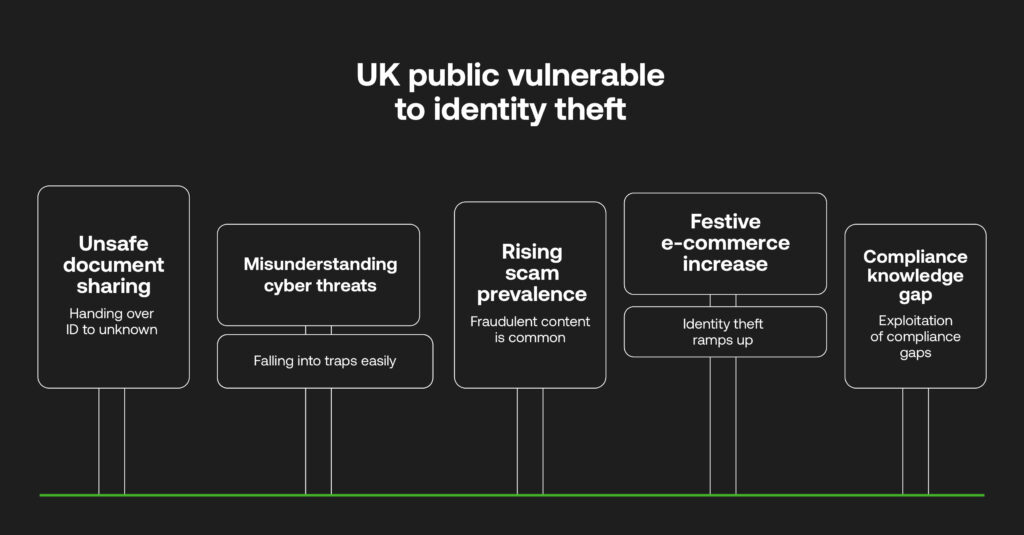
If you digitally hand over a scan of your passport or driving license without knowing the recipient, or the reason behind it, there’s a high possibility of it ending up in harmful hands. What’s worse is this exact act of ID theft has been committed by a third of people in the UK.
There are multiple safeguards out there, but misunderstandings around common threats in a world of rising cybercrime sees the general public falling into traps. Scams are so common that nine in ten adults have come across suspicious fraudulent content; that marks a high chance that the criminals will succeed, armed with people’s identities to imitate their credentials, hack into accounts elsewhere and drain their hard-earned savings.
Identity theft, according to Experian, spikes during the festive season as e-commerce surges. Now is the time to evaluate where national frameworks and institutional awareness could improve, before gaps between public knowledge and complex anti-money laundering (AML) practices leave too many vulnerabilities.
Can you really protect against ID theft?
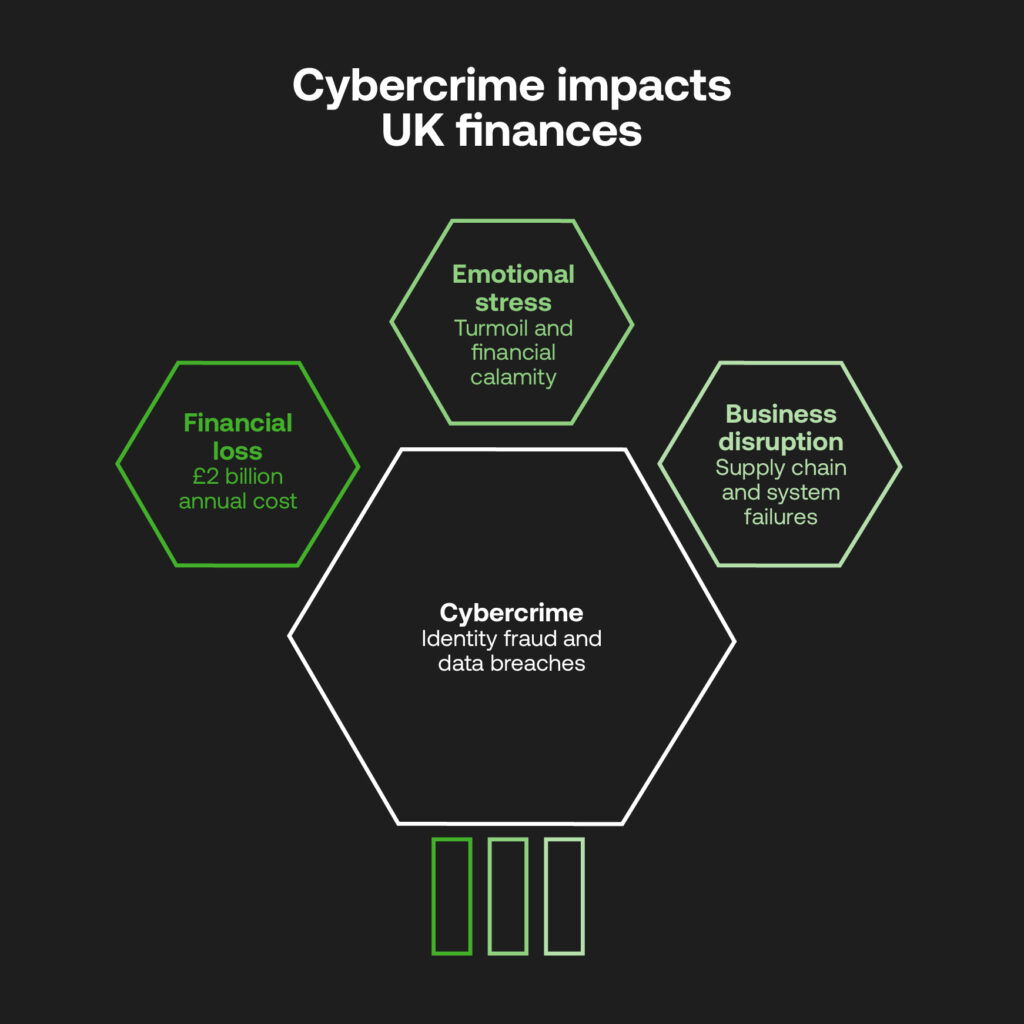
The hard numbers provide tough yet realistic reading. Identity fraud costs the UK almost £2 billion a year, making it a large contributor to the trillion-dollar industry around the world, and cases are mounting up. Large hacks affect household names and the customers that do business with them; 2025 saw retail giants Marks & Spencer and Co-op affected by online system failures, data breaches, and supply chain disruption, making public news and causing real-world effects of cybercrime.
These costs are all drained from individuals and businesses, overturning peoples’ way of life, and causing emotional stress and turmoil alongside financial calamity – particularly when data protection is becoming such a prevalent concern, and more is expected from banks and tech providers we use everyday to protect the identification we consent to give them. Phishing attacks are still the highest cases, having been experienced by up to 86% of businesses in the past twelve months alone, and still missed by many SMEs.
In order to boost nationwide safety, laws, initiatives, and coalitions are active. The 2025 Data (Use and Access) Act looks to reform digital verification services and Smart Data for finance, as well as clarify important changes to data privacy legislation. More holistically, communications regulator Ofcom sought to mitigate harm through the Online Safety Bill, passed by Parliament in 2023: holding companies to account to prevent fraudulent material (and other heinous content) proliferating in their systems that put the public at risk, and to assist compliance frameworks.
Getting to grips with ID threats
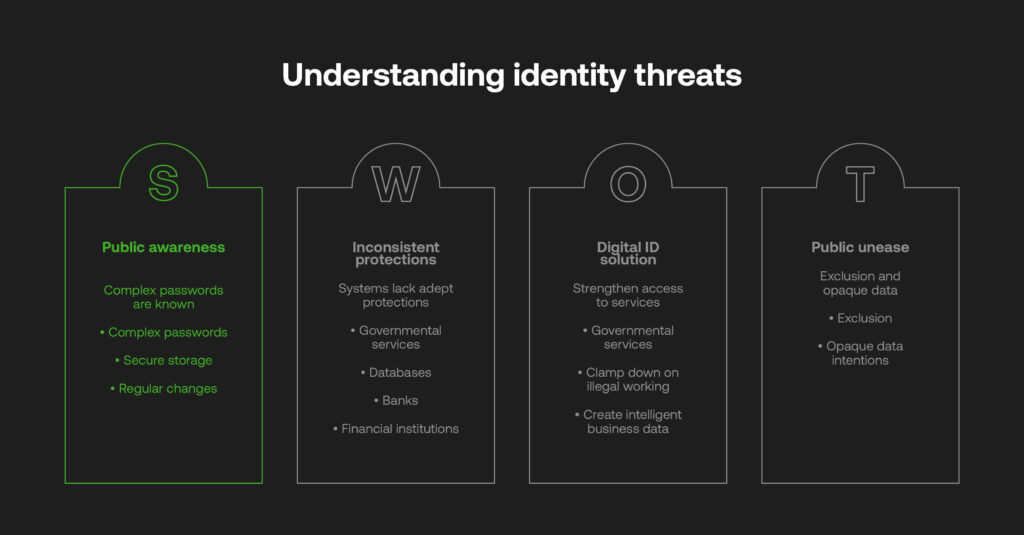
Ofcom, Cifas, Norton, Get Safe Online and more partners are part of this drive for education, but it needs to go far further. Most people will know to frequently choose complex passwords, store them securely and change them regularly. However, the very systems that should protect them – governmental services or databases, banks, or other financial institutions – may not be equipped with effective protections.
Ultimately, each adopts inconsistent approaches for identity verification (IDV), whether through multi-factor authentication, biometric checks or otherwise. No matter which way, these operate in their own siloes, where customer data becomes fragmented, and outdated frameworks and systems provide various avenues for fraudsters to act for financial gain. No matter how tight-knit someone is with their own logins, they may still be left vulnerable by services that must adhere to data-centric legislation.
As a way to strengthen UK citizens’ access to government services, and to clamp down on illegal working and create intelligent business data, a proposed Digital ID ‘Brit Card’ is in the works. It has, however, been met with public unease citing exclusion and opaque data intentions. Networks that operate with consumer data (no matter the well-intentioned thought behind its use) have to be transparent to improve the trustworthiness of advanced IDV – especially for anti-fincrime controls.
Fighting ID theft: what your business needs to know
Trust is the foundation of business-to-consumer relationships, especially when handling personal data. Awareness is shared: both businesses and consumers must actively detect and report suspicious activity.
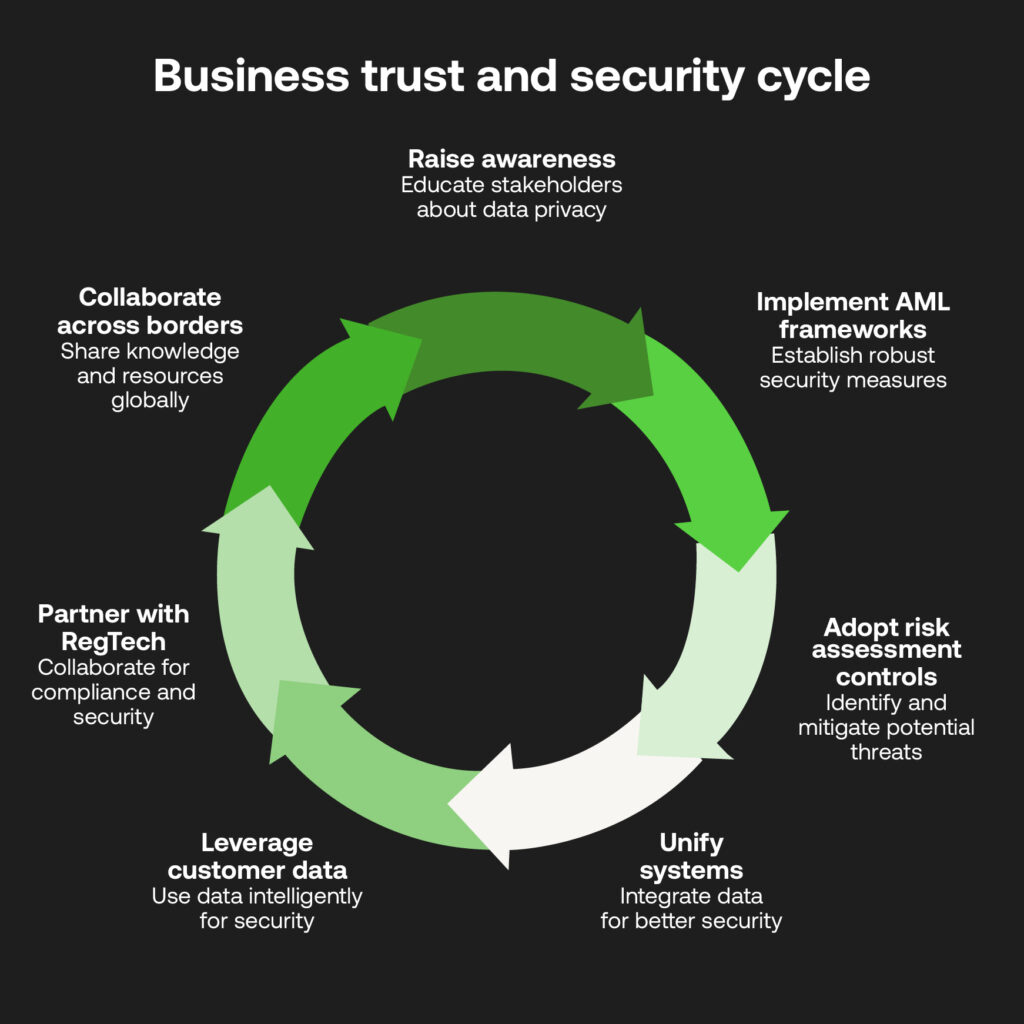
Organisations must meet obligations under the Information Commissioner’s Office (ICO) regulations by using strong AML frameworks to reduce fraud risk and avoid ripple effects from breaches:
- Conduct thorough risk mapping: Identify high-risk customers, regions, and transaction types. Early detection of unusual behaviour is key to reducing financial and reputational damage.
- Adopt ongoing identity verification: Following onboarding, use AI-driven know your customer (KYC) systems to continuously update profiles, ensuring that new and existing clients meet compliance standards.
- Unify systems: Sporadic outdated datasets are prone to hackers, where one-view systems are encrypted, secure and speed up the detection and reporting of suspicious activity to authorities.
- Use smart analytics on customer behaviour: Track device fingerprints, login patterns, and transaction anomalies to flag potential account takeovers before they escalate. Advanced IDV can verify documents in real time against government records, catching synthetic identities and fraud attempts.
- Integrate RegTech solutions: Cloud-based compliance tools adapt quickly to changes in regulations and cyber threats, giving businesses flexibility and resilience.
- Collaborate across borders: ID theft does not respect geography, where collaborative forums and partnerships increase IDV knowledge and capability, as well as foster a transparent AML culture.
The role of consumers in safeguarding their identity
Across the UK and beyond, improving digital literacy is essential as more citizens use phones and laptops to access sensitive online services – whether for healthcare, taxes, applying for credit, or securing a loan.
There are many resources available to support digital safety, and businesses should take an active role by providing ongoing training and creating clear educational content. This helps customers understand cybersecurity risks and their responsibilities in protecting personal data, empowering them to act confidently and make informed decisions:
- Staying vigilant: security advice through the UK’s Met Police and Cyber Aware websites should be highlighted, to promote cautiousness on ID sharing via digital channels, keeping devices and online accounts secure.
- Increasing reporting: many consumers feel embarrassed for having data compromised, or from experiencing a ‘near miss’ from a financial scam or by finding a potentially suspicious website – investigations made to financial institutions, Action Fraud or the National Cyber Security Centre (NCSC) will improve intelligence to cut out criminal activity.
- Understanding data rights: the ICO can help education around consumer rights for data protection, where subjects can control their data or seek recourse for misuse.
- Holding regulated institutions to account: Subject Access Requests can be exercised to learn how data is verified and used by any businesses.
With greater knowledge comes open cybercrime dialogue across the board; a trust-building exercise put into effective investigation and prosecution through dynamic digital AML solutions at governments, regulators, financial institutions and more.
Tech to get things moving
Learn more in our latest AML white paper – Closing the Gaps in Financial Crime Prevention – where we see how layered IDV, continuous monitoring, and collaborative partnerships all play such a critical role in building resilience on the frontline against identity thieves.